
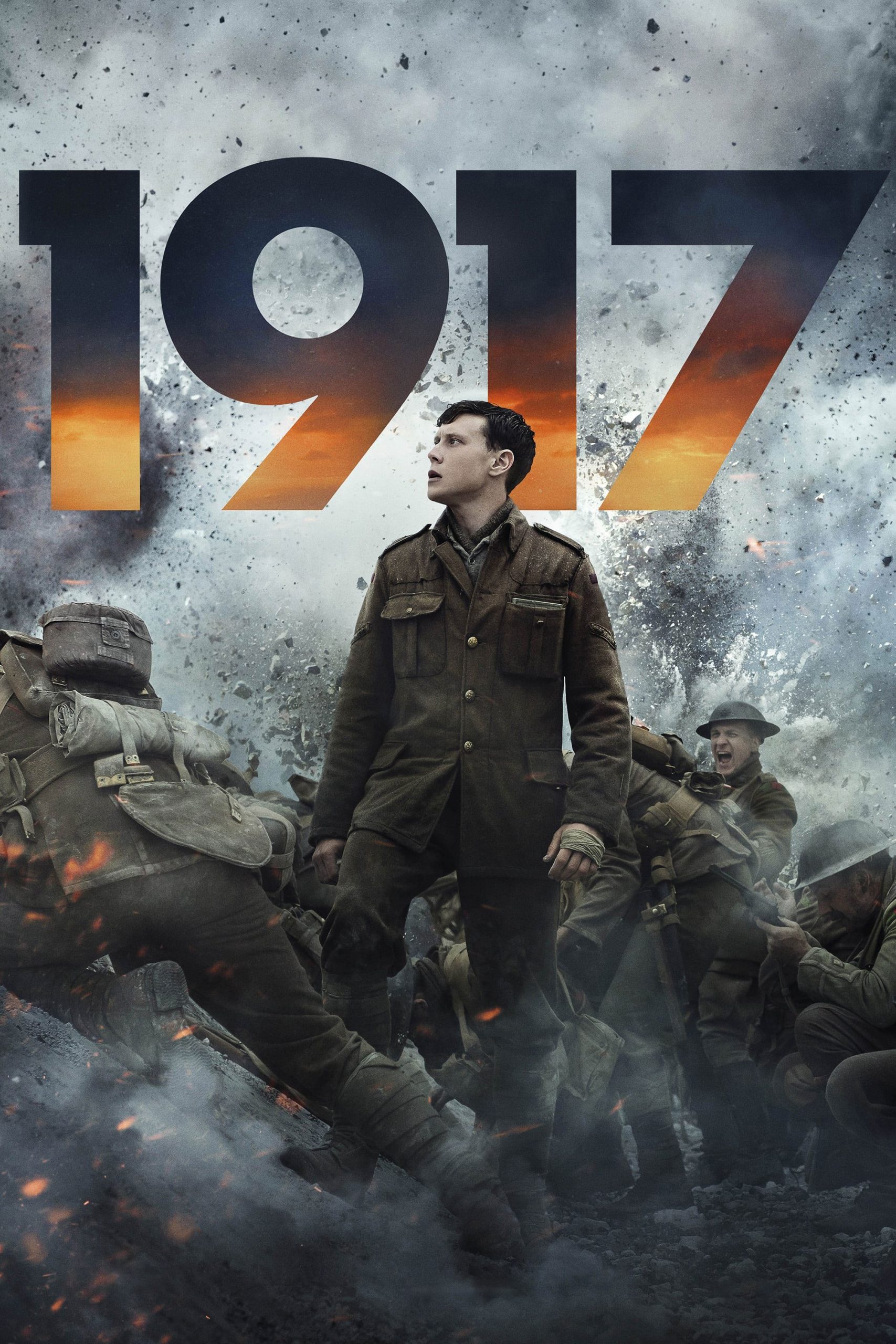
The Question of Truth Behind the Film
Viewers often approach historical films with a curiosity about their truthfulness, searching for a connection between the cinematic narrative and the events that occurred in reality. The question of whether a film is “based on a true story” arises out of a desire to ground the viewing experience in factual history, perhaps as a way to anchor emotional responses to actual past events or to treat the narrative as an educational window into history. This inclination rests on the assumption that films labeled as “true stories” closely mirror the facts, while works marked as pure fiction are viewed as artistic invention. The distinction shapes the perceived authenticity and relevance of the film’s themes, influencing the emotional and intellectual engagement audiences bring to their experience and their expectations regarding the accuracy of characters, timelines, and depicted events.
Historical Facts and Cinematic Interpretation
“1917,” released in 2019 and set during the First World War, presents itself as a story embedded in the chaos of a true historical period—the spring of 1917 during Operation Alberich, when German forces withdrew to the Hindenburg Line. However, the main plot, which follows two young British soldiers carrying an urgent message across no man’s land to save a battalion from an ambush, is largely a work of fiction, constructed to evoke the experiences of soldiers while reflecting the broader realities of wartime communication and peril. Elements of the narrative drew inspiration from tales recounted by the director’s grandfather, who had served in World War I. These stories, although personal and grounded in the lived experience of the war, were adapted and reshaped, serving as a thematic rather than literal blueprint. The choice to organize the story around a single, continuous journey allows for the condensation of potentially disparate events, locations, and timelines. The film distills what would have been the multi-day, regimented, and bureaucratic process of wartime dispatch into a tightly orchestrated and suspenseful quest. The reimagining of real locations, such as the trenches or the devastated town of Écoust-Saint-Mein, fuses genuine historical detail with expressive cinematic design, forming a composite setting that feels convincing but is ultimately constructed for visual and narrative coherence.
What Changes When Reality Is Shaped for Cinema
When filmmakers adapt historical periods or anecdotes for the screen, trade-offs occur as historical specificity gives way to narrative functionality. In “1917,” this manifests through the selection of central protagonists whose experiences are not directly taken from official military history but instead represent the collective ordeal faced by soldiers. By compressing various dangers—enemy encounters, destroyed infrastructure, and harrowing landscapes—into a single journey, the film prioritizes narrative momentum and dramatic tension over the slower pace and routine unpredictability of real military operations. The dialogue and pacing are crafted to maintain continuous suspense, sometimes bypassing the procedural detail and the extensive pauses that would characterize actual wartime communication. Artistic liberties, such as the film’s real-time illusion created through extended takes, create an immersive experience but stand apart from the fragmented, often static reality recorded in memoirs or war diaries. The result is that certain elements—timelines, character behaviors, and logistical outcomes—are tailored to fit cinematic frameworks, making the story at once digestible and impactful for a contemporary audience while subtlety altering the texture of historical truth.
Audience Expectations and the “True Story” Label
The reception of “1917” is strongly shaped by how it positions itself relative to history and fiction. Films directly marketed as being based on real events often encounter heightened scrutiny from viewers expecting accuracy in the broad strokes if not every detail. When a film is instead “inspired by real experiences,” as is the case with “1917,” audiences may anticipate a blend of factual tone and dramatic invention, leading to a more flexible appraisal of historical veracity. This positioning influences not only the audience’s willingness to suspend disbelief but also their interpretation of character motivations, plot resolutions, and the broader meaning of the film. Those who recognize the fictionalized nature of the journey may focus more on the symbolic dimensions of the story, viewing the protagonists as stand-ins for countless unnamed soldiers. Conversely, those approaching the movie as a near-documentary may be more attentive to points of divergence from historical record, perhaps interpreting dramatic choices as statements about the war’s realities. The expectation of truth or fiction, therefore, colors both emotional impact and the atmosphere of trust or skepticism which an audience brings to the viewing experience.
Final Perspective on Fact vs Fiction
Awareness of what in “1917” is factual, fictionalized, or thematically inspired can meaningfully shape the viewer’s interpretation. For some, knowing the film’s plot is an artistic synthesis inspired by but not directly replicating individual events repositions its meaning away from literal history toward representative experience. It offers a lens not to confirm specific occurrences but to evoke the mood, peril, and uncertainty endemic to the First World War. As a result, rather than evaluating the film strictly by adherence to fact or by the accuracy of depicted events, the audience may instead engage with the film as a mediation between memory, narrative construction, and historical atmosphere. This understanding reinforces the dual role of cinema—both as an artistic medium capable of illuminating emotional truths and as a transmitter of evocative, if selectively shaped, fragments of the past. In this way, discernment of the film’s factual grounding does not diminish engagement but provides a richer context for viewers to consider the broader relationship between historical events and the stories arising from them.
🎬 Check out today's best-selling movies on Amazon!
View Deals on Amazon